Nootropic Side Effects and Safety
Do nootropics have side effects?
Yes, but for well-studied ingredients they are usually mild and dose-related. The most common nootropic side effects are headaches, mild stomach upset, and lighter sleep when a stimulating dose is taken too late. Serious problems almost always come from unregulated compounds, excess caffeine, or ignored drug interactions — not from studied ingredients at studied amounts.
- Evidence-based actives (L-theanine, citicoline, bacopa, rhodiola, creatine) are safe at the doses used in trials.
- Headaches are often a choline-balance or hydration issue that eases with adjustment.
- The real risks are interactions and unregulated ingredients — both are avoidable if you read the label.
Search "brain supplement" and half the results promise the moon while the other half warn you off entirely. Neither extreme is honest. The truth about nootropic side effects is quieter and more useful: the ingredients with real human research behind them have well-mapped, mostly mild safety profiles, and the scary stories almost always trace back to three avoidable things — too much stimulant, an unregulated compound that should never have been in the bottle, and a drug interaction nobody checked for. This guide walks through what is genuinely worth knowing, without the scare tactics and without pretending supplements are risk-free.
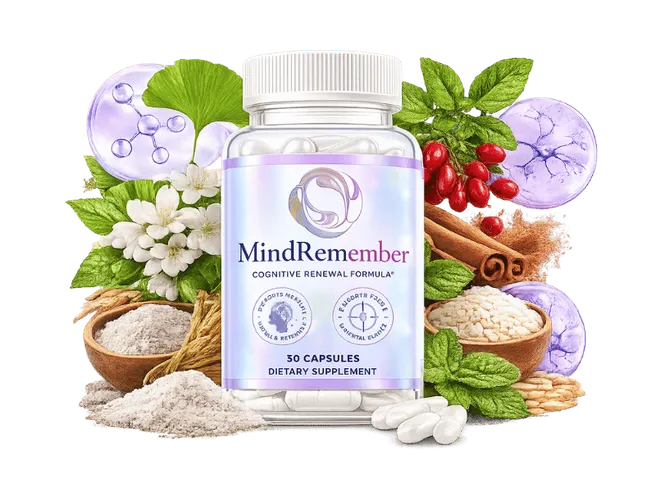
We built MindRemember around the opposite instinct to the industry norm. Instead of hiding amounts inside a proprietary blend, every active is named at its dose, so you can weigh the safety of each one yourself rather than trusting a marketing claim. That transparency is not a garnish — it is the single most important safety feature a nootropic can have.
What "side effects" actually means for a nootropic
A side effect is simply an effect you did not buy the product for. It can be trivial (a slightly dry mouth), inconvenient (a restless night), or genuinely important (a change in how a medication works). Grouping all three under one frightening word is how misleading headlines get written. The sensible approach is to separate them by likelihood and by seriousness, because a common-but-minor effect and a rare-but-serious one need completely different responses.
The other thing worth saying early: dose is everything. Almost every reported problem with mainstream cognitive ingredients is a dose story. The same caffeine that sharpens focus at 80–120 mg makes you jittery and anxious at 400 mg-plus. The same choline donor that supports memory can trigger a dull headache if it tips your acetylcholine balance too far. This is why a formula that publishes its numbers is easier to use safely than one that hides them — you can see whether you are anywhere near the amount that causes trouble.
The real nootropic side effects, ranked by how often they happen
Here is an honest ordering, from the things most people might notice to the things very few will:
- Headache. The classic one, most often linked to choline-based ingredients or simple dehydration. It usually reflects a balance issue rather than damage, and it commonly settles when the dose is lowered, taken with food, or paired with more water.
- Jitteriness or a racing feeling. Almost always caffeine, and almost always a total-dose problem — the nootropic caffeine plus your coffee plus a pre-workout adds up fast. The FDA points to 400 mg of caffeine per day as the ceiling most healthy adults can tolerate; staying well under it removes most of this.
- Mild stomach upset or nausea. Common with several herbal extracts, especially on an empty stomach. Taking the capsule with a meal fixes it for most people.
- Lighter or delayed sleep. Stimulating ingredients taken in the afternoon or evening. The answer is timing, not tolerance — take the stimulating dose in the morning.
- Vivid dreams. Sometimes reported with choline-rich formulas. Harmless for most, but worth knowing so it does not surprise you.
- Digestive changes from creatine. Creatine is one of the best-studied and safest performance and cognitive aids there is; the only common complaint is mild bloating at high loading doses, which a steady modest dose avoids.
Notice what is not on this list: nothing catastrophic from the mainstream, evidence-based actives at studied doses. That is not an accident — ingredients like citicoline at its researched dose, L-theanine, bacopa, rhodiola and creatine earned their reputation precisely because trials found them well tolerated.

The interactions that genuinely deserve caution
If there is one part of nootropic safety that matters more than side effects, it is drug interactions — because these can affect a medication you truly need. Two stand out.
Ginkgo biloba and blood thinners. Ginkgo can have a mild antiplatelet effect, so combining it with warfarin, aspirin, or other anticoagulant and antiplatelet drugs may add to bleeding risk. If you take anything in that category, ginkgo is a conversation for your doctor or pharmacist, not a guess.
St John's wort and, well, almost everything. St John's wort is a genuinely effective herbal antidepressant, but it is also one of the most significant herb–drug interactions known. It speeds the clearance of many medicines — SSRIs, contraceptives, some heart and HIV drugs — and can make them stop working. It has no business hiding inside a memory formula aimed at older adults, which is exactly why we wrote a full page on why St John's wort in a memory supplement is a hidden interaction risk. MindRemember does not use it.
The rule that covers all of this is simple and costs nothing: if you take any regular medication, are pregnant or breastfeeding, or have a medical condition, take the full ingredient list to a pharmacist before you start. Two minutes there prevents nearly every serious interaction in this category.
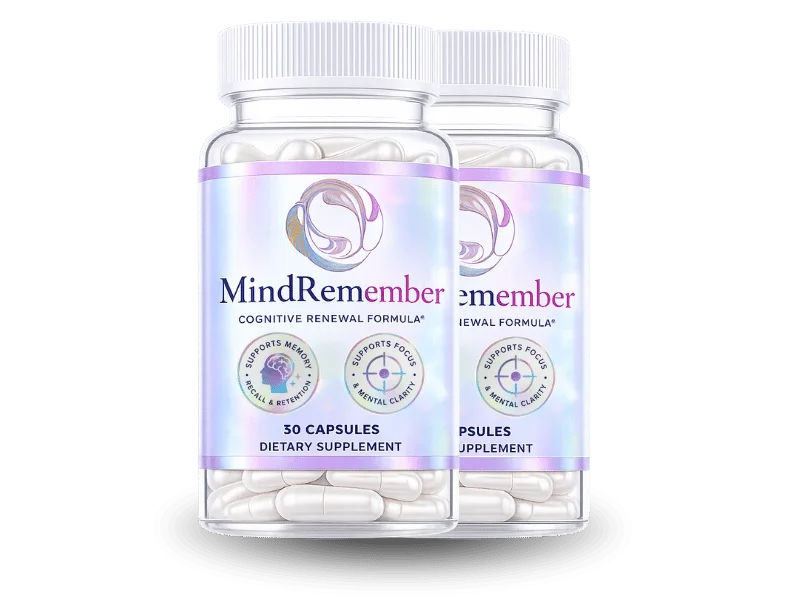
A label you can actually check for safety
Every active named, every dose published, no St John's wort and no hidden stimulant stack. See the full formula and today's official-store pricing on one page.
See the MindRemember formulaThe ingredients to simply avoid
Most of the real harm attributed to "nootropics" comes from a small handful of compounds that never should have reached consumers as casual supplements. Knowing their names is a large part of staying safe.
- Phenibut. A GABA-B compound sold as a calming nootropic that carries a real risk of dependence and difficult withdrawal. It is not a benign focus aid, and it should not be in any daily supplement.
- High-dose or unlabelled racetams and noopept. These are not evaluated the way food ingredients are, doses in unregulated products are inconsistent, and quality control varies wildly. Interesting to researchers; not something to trust from an anonymous bottle.
- Undeclared stimulant blends. Products that bury multiple stimulants inside a proprietary blend so you cannot see your total dose. This is how people accidentally sail past the caffeine ceiling.
A trustworthy formula is defined as much by what it leaves out as what it includes. The absence of these is a feature.
Three common myths, answered honestly
"Natural means side-effect-free." No. St John's wort and ginkgo are both natural and both have meaningful interactions. Natural is not a safety category; dose and interaction profile are. Some of the safest ingredients here are the ones with the most research, natural or not.
"If a little helps, more helps faster." This is the belief behind most avoidable side effects. Cognitive ingredients are studied at specific doses for a reason, and several of them work by supporting a balance rather than pushing a system harder. More caffeine does not mean more focus; it means more jitter. More choline does not mean more memory; it can mean a headache. Studied doses exist because they are where benefit and tolerability meet.
"Side effects mean it is working." A tempting story, but not true. The benefits of ingredients like bacopa build quietly over weeks, often with nothing dramatic to feel day to day. If you want a realistic sense of the timeline, we cover it in our guide to how long nootropics take to work. A quiet, uneventful few weeks is exactly what a well-dosed formula should feel like.
How to take a nootropic safely
Start low and read every dose
Begin at the low end of the studied range and only use products that publish each active's amount, so you always know your real intake.
Time stimulants early and hydrate
Take any stimulating dose in the morning, drink enough water, and take capsules with food to head off headaches and stomach upset.
Check interactions with a pharmacist
If you take medication, are pregnant, or have a condition, show the full label to a pharmacist before you start. It is the highest-value two minutes in this article.
Do those three things and you have removed the large majority of the risk. The remaining safety comes down to choosing a formula honest enough to make them possible — which is the whole design brief behind MindRemember. Once-daily, caffeine-modest, every active named at its dose, and none of the compounds on the avoid list. If you want a broader view of the category before deciding, our roundup of the best brain supplements for memory in 2026 puts it in context, and our overview of what nootropics are and how they work covers the mechanisms behind the ingredients named here.

Safety starts with a label you can read
MindRemember publishes every active and every dose, skips the interaction-heavy herbs, and keeps stimulants modest. Compare the full formula and see current pricing.
Order MindRememberRelated reading
Frequently asked questions
What are the common side effects of nootropics?
For well-studied ingredients the common side effects are mild and usually dose-related: headaches, a jittery feeling from too much caffeine, mild stomach upset, and vivid dreams or lighter sleep if a stimulating dose is taken late in the day. Headaches with choline-based nootropics are often a balance or hydration issue and tend to ease when the dose is adjusted and water intake goes up.
Can memory supplements interact with medications?
Yes. The two that matter most are ginkgo with blood thinners and antiplatelet drugs, which can add to bleeding risk, and St John's wort with SSRIs, contraceptives and many other prescriptions, because it speeds their clearance. If you take any regular medication, show the full ingredient list to a pharmacist before starting a memory supplement.
Are nootropics safe to take every day?
Most evidence-based nootropics such as L-theanine, citicoline, bacopa, rhodiola and creatine are studied at daily doses over weeks or months, and daily use at those amounts is how the benefits build. Safety depends on staying at studied doses, keeping total caffeine under the FDA's 400 mg per day guidance, and avoiding unregulated compounds. Daily is fine for most healthy adults; check with a doctor if you are pregnant or medicated.
How do I avoid nootropic side effects?
Start at the low end of a studied dose, take stimulating ingredients earlier in the day, drink enough water, and read the full label so you know every active and its amount. Avoid unregulated ingredients like phenibut and unlabelled noopept, keep caffeine modest, and talk to a pharmacist about interactions if you take medication.