How Long Do Nootropics Take to Work?
How long do nootropics take to work?
It depends on the ingredient. Amino acids like L-theanine can be felt in about 20 minutes and caffeine peaks near 45 minutes, but the memory ingredients most people want work cumulatively. Ginkgo needs roughly 4 to 6 weeks and bacopa 8 to 12 weeks, so plan to give a memory stack two to three months.
- Fast (minutes): L-theanine, caffeine — felt the same day.
- Slow (weeks): ginkgo 4–6 weeks, magnesium L-threonate ~6 weeks.
- Slowest (months): bacopa 8–12 weeks for memory consolidation.

The single most common reason people give up on a brain supplement is that they asked the wrong question on day three: “why can't I feel anything yet?” So let us answer the real one directly. How long do nootropics take to work is not one timeline but several, because the ingredients in this category act on wildly different biological clocks. Some are felt within twenty minutes. Others do their most important work silently over two to three months, producing no dramatic sensation at all — and those slow ones are usually the very ingredients people are buying a memory formula for. Understanding which is which is the difference between quitting a working product early and giving it a fair chance.
This is not a small point. Judging a memory supplement after a few days is like weighing yourself after one gym session and concluding exercise does not work. In the pages below we lay out the full timeline — fast, slow, and slowest — explain why the absence of an instant “kick” is expected rather than a failure, and set a realistic window for deciding whether a formula is doing its job.
Why nootropics run on different clocks
The whole confusion melts away once you group these ingredients by mechanism instead of by marketing. Broadly there are three speeds.
Speed one: direct neurochemical effects (minutes). Some compounds interact with your brain chemistry almost immediately. Caffeine blocks adenosine receptors and reaches peak blood levels in roughly 45 minutes — you feel it the same morning. L-theanine, an amino acid from tea, shifts brain-wave activity and can take the edge off within about 20 minutes, especially paired with caffeine. These are the ingredients responsible for the “I felt it” reviews, and they set an unfair expectation for everything else.
Speed two: physiological adaptation (weeks). Other ingredients change a system gradually. Ginkgo is generally studied at 120–240 mg a day and typically needs 4 to 6 weeks before effects on memory and mental clarity show up in trials. Magnesium L-threonate, valued for reaching the brain and supporting synaptic density, tends to be evaluated over about 6 weeks. Nothing here flips a switch; the system is being nudged into a new steady state.
Speed three: neural remodeling and consolidation (months). At the slow end sit the memory botanicals whose entire value is long-term. Bacopa monnieri is the classic example: its effects on memory consolidation reliably emerge over 8 to 12 weeks of daily use, not before. More broadly, the deepest changes — the kind involving how neurons connect and remodel — can take up to 12 weeks to express. This is the tier people most want to work, and the tier they most often abandon too early.

Why you don't feel your memory supplement right away
Here is the reassurance most shoppers never get told. If you take a memory-focused formula and feel nothing obvious on day one, that is the expected result, not a defect. The ingredients doing the real work — membrane-building choline compounds, phospholipids, and the slow botanicals above — do not create an acute sensation the way a stimulant does. They support processes: synthesis of neurotransmitters, maintenance of cell membranes, gradual changes in synaptic function. Those processes have no “feeling” attached in the moment. There is simply nothing to sense on the first afternoon, because nothing dramatic is meant to happen on the first afternoon.
The trap is that our expectations are calibrated by caffeine. We have all felt a coffee “hit,” so we unconsciously expect a brain pill to announce itself the same way. When it does not, we assume it is inert. But a bacopa or ginkgo formula that produced a caffeine-like rush would actually be a red flag — it would suggest an undisclosed stimulant, not memory support. Quiet is what correct looks like here. If you want the deeper background on how these compounds are classified and what they are actually doing, our primer on what nootropics are and how they work walks through the mechanisms behind each tier.
A memory supplement that made you feel an instant “kick” would be the suspicious one. For the slow botanicals, a quiet first week is exactly what working looks like.
Give it a real 8–12 weeks
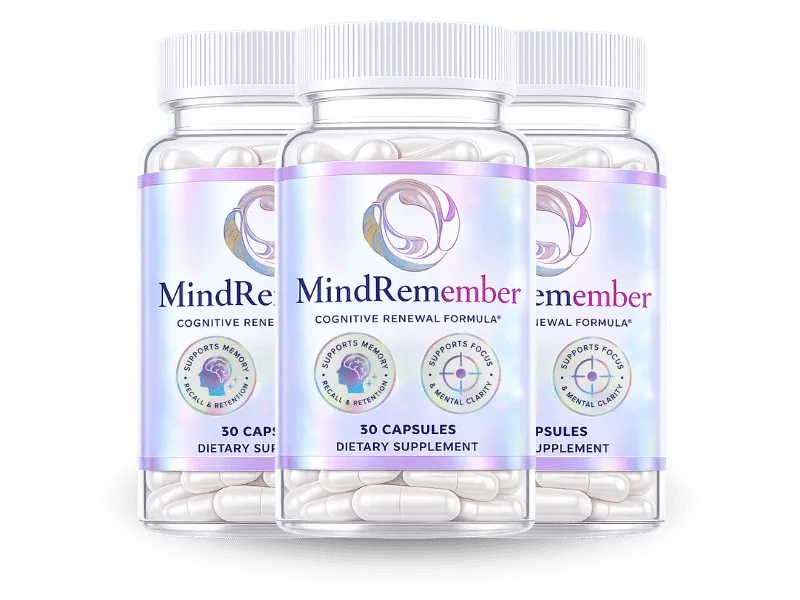
A multi-bottle supply is the honest way to test a memory formula properly — see MindRemember's published doses and today's per-bottle pricing on one page.
See Pricing & DosesHow long should you take a memory supplement before judging it?
Set the expectation before you start, and you will not sabotage the experiment halfway through. For any herbal memory stack, the fair evaluation window is 8 to 12 weeks of consistent daily use. That is not a marketing figure — it is the same window the trials used. Bacopa needs roughly 8 to 12 weeks for its memory effects to consolidate; magnesium L-threonate is typically judged around 6 weeks; ginkgo around 4 to 6 weeks. Because a complete formula blends fast and slow ingredients, the whole product should be judged on its slowest meaningful component, which lands you squarely in that two-to-three-month range.
Practically, that means buying enough to finish the trial. A single 30-day bottle is, by the numbers, too short to evaluate a bacopa-containing formula at all — you would be calling the result before the main ingredient has had its say. This is exactly why so many people conclude “it didn't work” when what actually happened is that they stopped at week four of a twelve-week process. If you want the specific evidence behind the two slowest headline botanicals, our breakdown of the bacopa and ginkgo doses the trials actually used shows where those timelines come from.
Consistency: the variable that decides everything
If there is one habit that separates people who benefit from cumulative nootropics from people who do not, it is taking them every single day. For membrane synthesis, neurotransmitter production and neural remodeling, the effect is built by the ingredient being reliably present while slow biology adapts around it. An on-again, off-again pattern — a few days on, a skipped weekend, a forgotten week — keeps resetting a process that only pays off with continuity. It is the most common reason a genuinely reasonable formula produces a disappointed reviewer.
The fix is unglamorous and completely effective: anchor the dose to an existing daily habit. Take it with breakfast, or set it beside the coffee machine, or pair it with brushing your teeth — whatever guarantees it happens without a decision. A once-daily formula helps here by design, because one capsule at the same moment each day is far easier to sustain than a multi-dose regimen scattered across the day. Consistency is not a nice-to-have with these ingredients; it is the mechanism.
It also helps to track the right thing while you wait. Because the change is gradual, day-to-day self-assessment is nearly useless — your mood, sleep and caffeine that morning drown out any slow signal. A better method is to note a couple of concrete, memory-specific markers at the start — how often you walk into a room and forget why, how easily names come back to you, whether you lose the thread mid-sentence — and then check those same markers again at week eight and week twelve. Comparing two honest snapshots two to three months apart tells you far more than staring at your own head every afternoon. Set the yardstick before you start, keep the dose daily, and let the calendar, not your day-three impatience, deliver the verdict.
Where MindRemember fits into the timeline
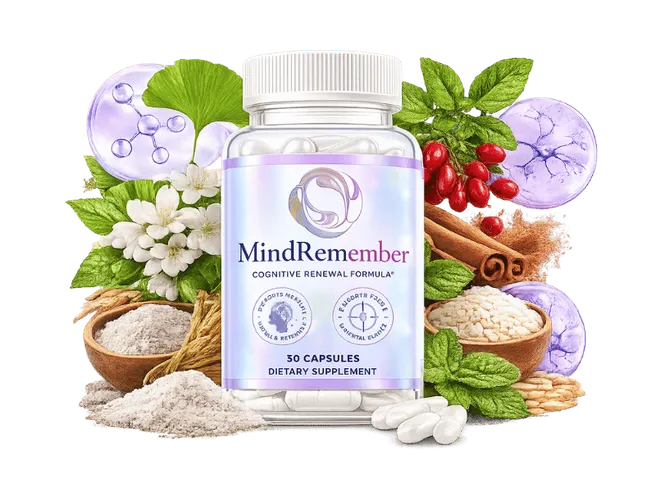
Everything above is why we talk about MindRemember in terms of a trial, not a trick. It is a once-daily cognitive-support capsule with seven named actives at published doses, and it contains exactly the kind of slower memory ingredients that reward the 8-to-12-week window rather than promising a first-day jolt. We say that plainly because setting the right expectation is honest and because it is the only way you will actually give the formula a fair test. The people who are happiest with any memory supplement are the ones who committed to the timeline and took it daily; the people who feel cheated are almost always the ones who judged it at day five.
So treat it like the experiment it is: pick a formula that prints its doses, take it every day, and evaluate at the two-to-three-month mark against how you actually recall names, lists and details — not against a caffeine-style buzz that was never on offer. If you would rather see the doses before you commit to the window, the MindRemember dose table lays out each active against its studied amount so you know precisely what you are giving those weeks to.
Start the 12-week experiment right
Seven named actives at published doses, the interaction note in full, and today's multi-bottle pricing so you can commit to a real trial — on one page.
Order NowFrequently asked questions
How long do nootropics take to work?
It depends entirely on the ingredient. Amino acids like L-theanine can be felt in about 20 minutes and caffeine peaks near 45 minutes, but the herbal memory ingredients most people actually want work cumulatively. Ginkgo needs around 4 to 6 weeks and bacopa 8 to 12 weeks, so plan on giving a memory stack two to three months.
Why don't I feel my memory supplement right away?
Because most memory ingredients do not produce an acute sensation. They support processes like membrane synthesis, neurotransmitter production and neural remodeling that unfold over weeks. Unlike caffeine, there is no immediate rush to feel, so a quiet first few days is expected, not a sign the product has failed.
How long should I take a memory supplement before judging it?
Give an herbal memory stack a fair 8 to 12 weeks of consistent daily use before deciding whether it works for you. Bacopa in particular needs about 8 to 12 weeks for memory consolidation, and magnesium L-threonate roughly 6 weeks. Judging after a few days measures nothing meaningful.
Do nootropics work better with consistent daily use?
Yes, for memory ingredients consistency is the whole point. Cumulative nootropics build their effect by being present every day while slower biological processes adapt, so a missed-dose, on-and-off pattern is the most common reason people conclude a supplement did nothing. Taking it at the same time daily is the single best habit.