Bacopa and Ginkgo: What the Trials Used
The short version
Bacopa monnieri and ginkgo biloba are the two botanicals with the most respectable human evidence in cognition. Both are also routinely included in formulas at a fraction of the amount that produced that evidence — and for both, the standardisation matters as much as the milligrams.
- Bacopa: around 300 mg/day of extract standardised to 20% bacosides, for 12 weeks or more.
- Ginkgo: 120–240 mg/day of extract standardised to 24% flavone glycosides and 6% terpene lactones.
- Neither works acutely. Both need sustained use before anything is measurable.
Bacopa: what it does and what it does not
Bacopa is an Ayurvedic herb whose modern evidence is unusually specific. Randomised placebo-controlled trials have found improvements in memory acquisition and the rate of forgetting — the ability to learn new information and retain it — rather than a general lift in alertness or processing speed.
That specificity is a mark of credibility. Real effects tend to be narrow. It also sets expectations correctly: bacopa is not a stimulant and it will not make you feel sharper this afternoon. Nearly all the positive trials ran for 12 weeks, and studies of shorter duration generally do not find much.
The active constituents are bacosides, and extracts in trials are standardised to about 20% of them at roughly 300 mg per day. A label stating both figures is doing the right thing; a label giving milligrams of unstandardised "bacopa powder" is not comparable, because the bacoside content of raw herb is far lower.
Side effect worth knowing: gastrointestinal upset — cramping, nausea, loose stools — is the commonly reported issue, and taking it with food substantially reduces it.
Ginkgo: the most-studied and most-argued-about
Ginkgo has an enormous literature and a genuinely mixed record. The standardised extract used in most serious trials is EGb 761, standardised to 24% flavone glycosides and 6% terpene lactones, at 120 to 240 mg per day.
What the evidence supports best is use in existing cognitive impairment and dementia, where meta-analyses of 240 mg daily have found modest benefits on cognition and daily function. What it supports far less well is prevention or enhancement in healthy adults — the large GEM trial followed thousands of older adults for years and found no reduction in dementia incidence.
The honest summary is therefore split: a modest treatment effect in people with impairment, and little support as a preventive or a booster in people without. Marketing tends to cite the first while selling to the second.
Both herbs are standardised for a reason. Milligrams of unstandardised plant are not the same units the research is written in.
Why standardisation is the number to check first
Plant material varies enormously — by cultivar, growing conditions, harvest timing and extraction method. Two products both containing "120 mg ginkgo extract" can differ several-fold in active content. Standardisation fixes the active percentage so that a dose means something consistent.
Practically: look for the percentage, not just the weight. "50 mg, 24% extract" is a more meaningful statement than "100 mg ginkgo leaf". A label that gives both the weight and the standardisation is telling you it knows which units the research uses, which is a reasonable proxy for whether the formulator read any.
Ginkgo's safety point
Ginkgo has a mild antiplatelet effect, and there are case reports of bleeding events in people also taking anticoagulant or antiplatelet drugs. The controlled evidence for a clinically meaningful interaction is weaker than the case reports suggest, but the standard advice remains sensible: mention it to your doctor if you take warfarin, a DOAC, aspirin or clopidogrel, and stop it a couple of weeks before scheduled surgery.
Reading a real label
Take the formula this site covers. It lists bacopa at 120 mg standardised to 20% bacosides, and ginkgo at 50 mg standardised to 24% extract. Both standardisations are correct and correctly stated — that is genuinely good practice and puts the label ahead of many.
The doses are the issue. 120 mg of bacopa is about 40% of the 300 mg used in the trials. 50 mg of ginkgo is roughly a fifth to two fifths of the 120–240 mg range. Neither is nothing, and dose-response curves are not cliffs — but neither is the amount that produced the published results, and the marketing rests on those results. The full comparison across all seven ingredients is in the dose table.
The twelve weeks nobody mentions
If there is one thing to take from this: both of these herbs are slow. Bacopa's trials run 12 weeks. Ginkgo's run months. A 30-day bottle is not a trial of either, and judging them at week three is judging the ramp-up rather than the effect — which is, conveniently, well inside most refund windows and a reason a lot of people conclude nothing happened.
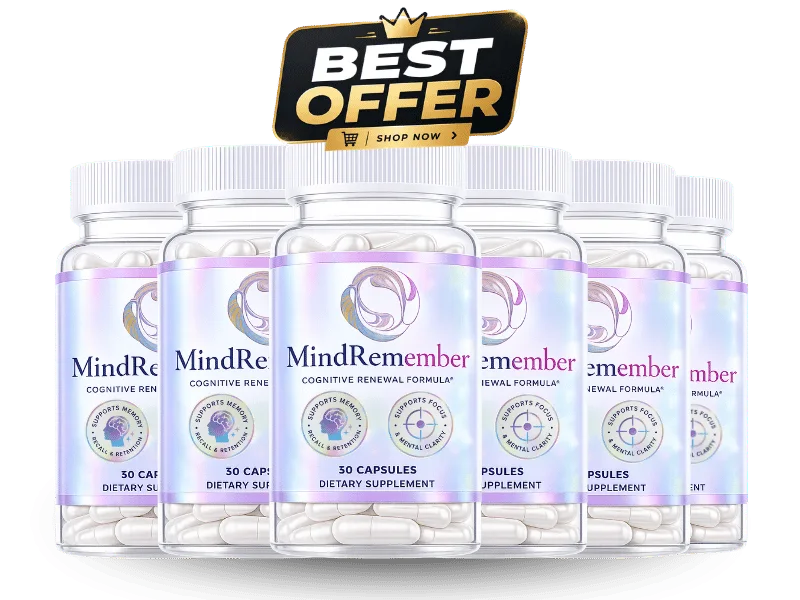
See all seven doses side by side
Every published amount against every trial dose, the interaction warning in full, and today's official-store pricing — on one page.
Order NowFrequently asked questions
Can I take bacopa and ginkgo together?
They are commonly combined and there is no established interaction between them. The relevant checks are ginkgo's antiplatelet effect against any blood-thinning medication, and whatever else is in the formula.
Does bacopa work straight away?
No. Nearly all the positive trials ran 12 weeks. Shorter studies generally find little, so a month is not a fair test.
Is 50 mg of ginkgo useless?
Not necessarily useless, but it is well below the 120–240 mg used in trials, so the published results should not be assumed to transfer to it.