Nootropics Explained: What They Are and How They Work
What are nootropics and how do they work?
Nootropics are substances taken to support memory, focus or mental energy. They work through different routes — some tweak neurotransmitter receptors within minutes, others build over weeks by supporting cell membranes or nerve-growth pathways. Effects are modest, dose-dependent, and strongest for a short list of well-studied ingredients rather than the whole category.
- Two broad families: natural (L-theanine, citicoline, bacopa, rhodiola, creatine) and synthetic (racetams, prescription stimulants).
- Timescales differ: caffeine peaks around 45 minutes; bacopa needs weeks.
- Skip unregulated research chemicals like phenibut and noopept — thin human data, real risks.
What nootropics actually are
"Nootropics" is one of the most-searched wellness terms on the internet — roughly 74,000 searches a month — and one of the most loosely used. The word was coined in the 1970s by the Romanian chemist Corneliu Giurgea, who set a deliberately strict bar: to count as a nootropic, a substance had to improve learning and memory, protect the brain against injury, and be essentially free of the toxicity and side effects of ordinary stimulants. Almost nothing sold today would clear that original definition.
In everyday use the term has drifted to mean something much broader: any substance taken with the aim of supporting cognition — memory, focus, mental energy, learning, or resistance to mental fatigue. Under that looser umbrella you will find your morning coffee, a handful of dietary-supplement ingredients with real trial data, and, at the far and riskier end, prescription drugs and unapproved research chemicals sold online as "smart drugs." Grouping all of that under one friendly word is exactly what makes the category so easy to oversell. The honest way to think about nootropics is to ignore the umbrella and judge each substance on its own evidence, dose and safety record.
This page is the map. It sorts nootropics into their real categories, explains the different ways they work in plain language, flags the ones worth knowing and the ones worth avoiding, and links out to the deeper pieces for each. If you only remember one thing, make it this: the category is not magic, the effects are modest, and the difference between a useful nootropic and a useless one is almost always the dose.
The main categories of nootropics
There is no single official taxonomy, but four groupings cover almost everything you will encounter.
Natural nootropics. Plant extracts, amino acids and nutrients with a cognitive rationale: L-theanine from tea, bacopa monnieri, rhodiola rosea, ginkgo biloba, and nutrient-derived compounds like citicoline and phosphatidylserine. This is the group with the best safety record and, for a short list of them, genuine human evidence. It is also where regulated supplements like MindRemember sit.
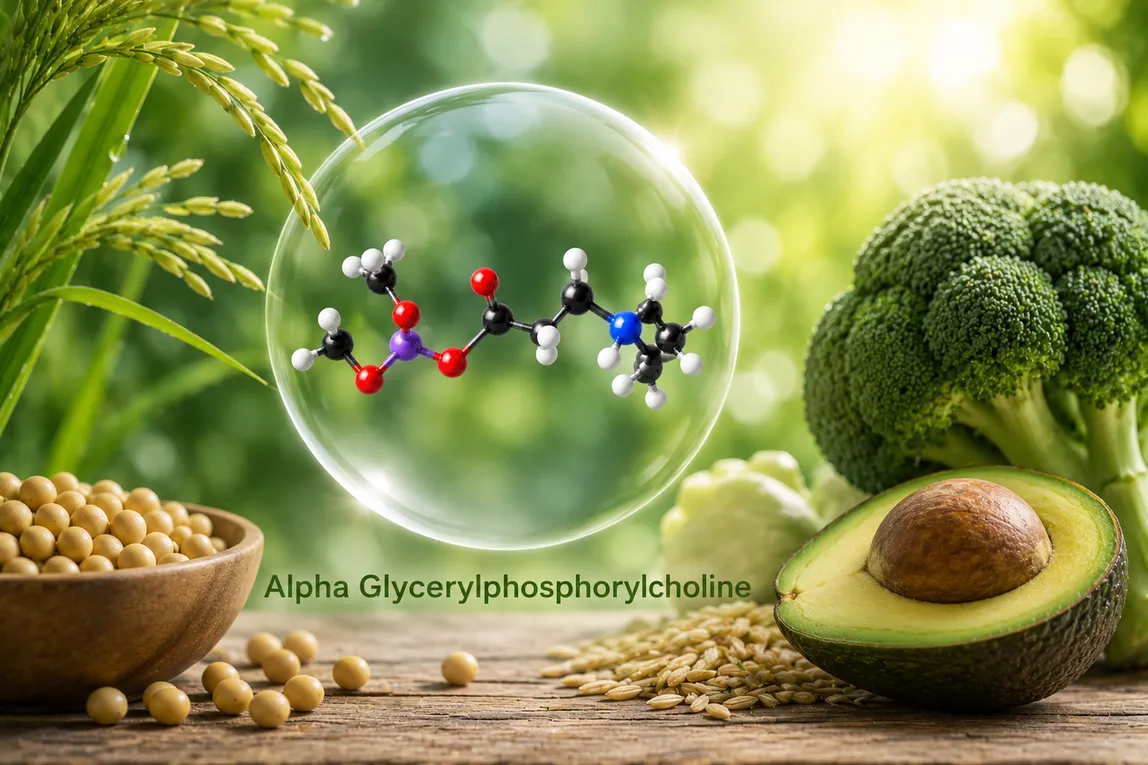
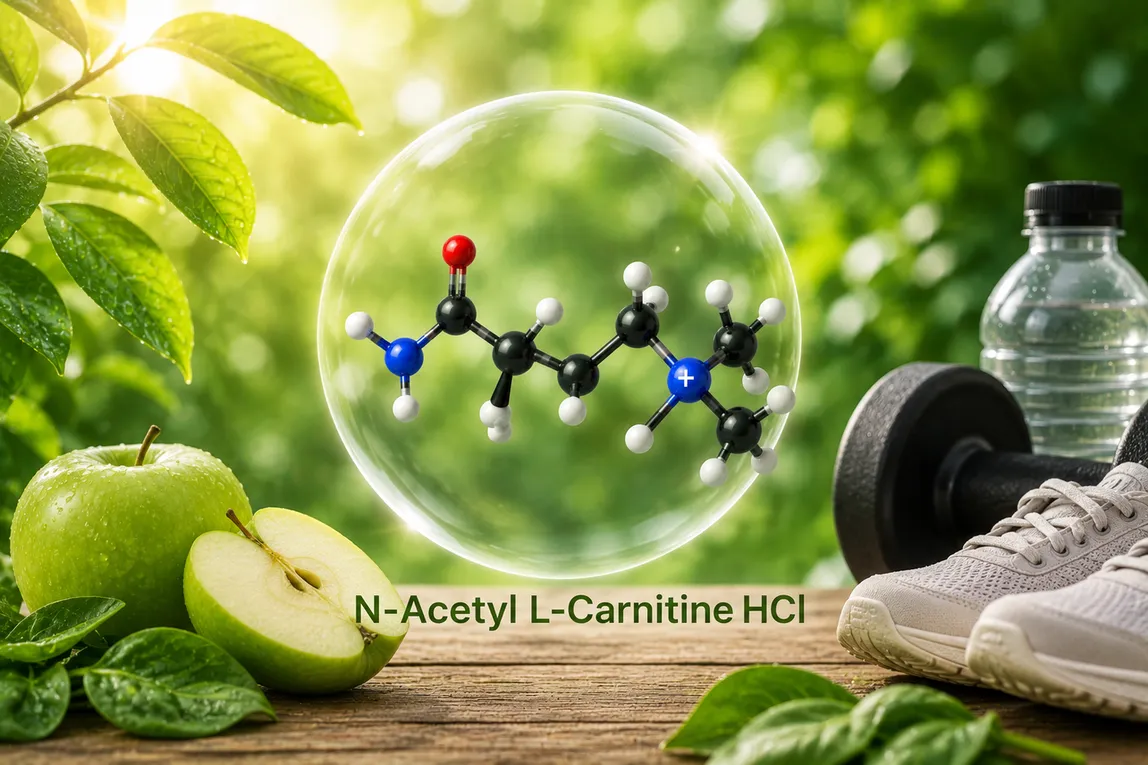
Cholinergics. Compounds that feed the acetylcholine system, the neurotransmitter network most tied to memory and learning. Citicoline (CDP-choline), alpha-GPC and choline bitartrate are the common ones. They provide raw material the brain uses to make acetylcholine and to build cell membranes.
Racetams and other synthetics. A family of lab-made molecules — piracetam, aniracetam, oxiracetam and relatives — that modulate neurotransmitter receptors. Their legal status varies by country, human evidence is uneven, and they are frequently stacked with a cholinergic. This is where the science gets thinner and the marketing gets louder.
Stimulants and prescription agents. Caffeine sits at the mild, legal end. At the other end are prescription medicines used off-label for focus, which are drugs, not supplements, and belong under medical supervision. In between sit unregulated research chemicals like phenibut and noopept that are best avoided entirely for reasons we come back to.
How nootropics work — four mechanisms, four timescales
The single most useful idea for making sense of nootropics is that they do not all work the same way, and mechanism predicts timescale. Broadly, there are four routes, and they run from minutes to weeks.
Receptor modulation — minutes to an hour. Some nootropics act directly on neurotransmitter receptors. Caffeine blocks adenosine receptors, which is why it lifts alertness quickly — blood levels peak around 45 minutes after a dose. L-theanine nudges the calming effects of the same system, which is why the caffeine-and-theanine pairing is the most reliable acute nootropic combination there is: the theanine takes the jittery edge off the caffeine while the focus remains. These effects arrive fast and fade the same day.
Neurotransmitter supply — days to weeks. Cholinergics such as citicoline do not force a receptor; they supply the raw materials the brain uses to build acetylcholine and cell membranes. That is a gentler, slower mechanism — you are topping up a production line, not flooring an accelerator — and the benefits build over days and weeks rather than being felt in an hour.
Adaptogenic and stress-axis effects — days to weeks. Rhodiola rosea and similar adaptogens appear to blunt the fatigue and mental fog that come with stress, acting on the body's stress-response system rather than on memory circuits directly. People often describe the effect as "less depleted" rather than "sharper."
Neurotrophic and structural effects — weeks to months. The slowest and, in principle, the most interesting mechanism. Some nootropics are thought to influence nerve-growth-factor pathways and synaptic density — the brain's capacity to form and maintain connections. Bacopa monnieri is the classic example, which is exactly why it needs eight to twelve weeks of daily use before anything shows on a memory test. Changes to structure simply take longer than changes to signalling.
Once you internalise this, a lot of confusion dissolves. Someone who takes bacopa for four days and feels nothing has not disproven it; they have judged a slow-mechanism ingredient on a fast-mechanism timescale. And someone who feels a caffeine kick and calls it "brain enhancement" has felt a receptor effect that will be gone by evening. Matching your expectations to the mechanism is most of the skill. We spell out the timelines ingredient by ingredient in our guide to how long different nootropics take to work.
A natural-nootropic formula with its doses on the label
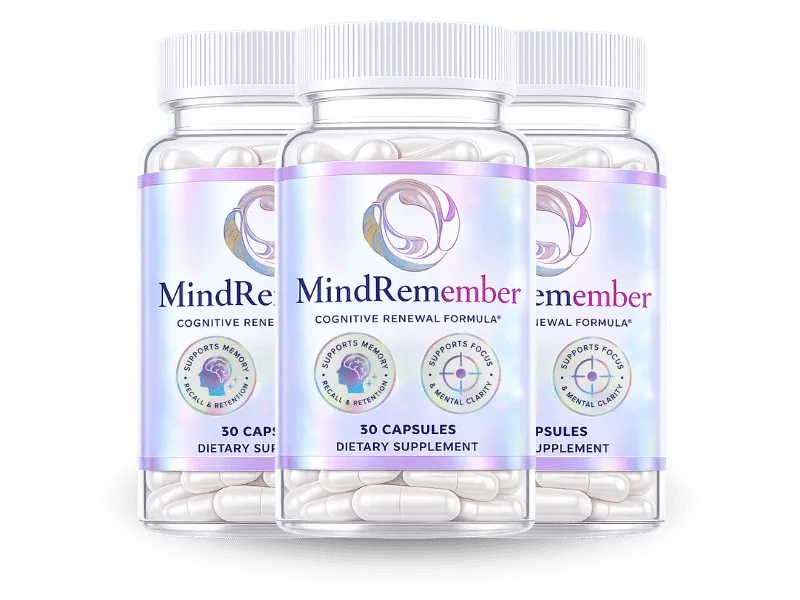
MindRemember is a once-daily blend of named botanical and nutrient nootropics — seven actives, each with a stated dose, each compared against the amount used in human research. See exactly what is in it, and where it falls short, before you decide.
See the Official StoreThe natural nootropics with the best evidence
If you want the short list worth actually knowing, here it is, with what each is good for.
Caffeine + L-theanine is the most reliable acute pairing for focus and calm attention, and both are cheap and well tolerated. Citicoline has the best evidence among cholinergics for working memory and attention at 250 to 500 mg. Bacopa monnieri has a credible record for memory at 300 mg daily — over eight to twelve weeks. Rhodiola rosea is the pick for stress-related mental fatigue. And creatine, long known as a strength supplement, has emerging cognitive evidence, particularly under sleep deprivation and in vegetarians whose baseline stores are lower.
Notice what these have in common: real human trials, sensible doses, and modest, specific claims. None of them is a genius pill, and the honest literature does not pretend otherwise. For the ingredients most tied to memory specifically, our roundup of the best brain supplements for memory in 2026 ranks them by evidence and studied dose.
The synthetic end — and what to avoid
The racetam family has a devoted following and a genuinely mixed evidence base. Some racetams have decades of use in certain countries; others rest on animal studies and enthusiastic forum reports. Their legal status is a patchwork, and quality control on grey-market powders is a real concern. None of this makes them uniquely dangerous, but it does mean the confidence gap between what is claimed and what is shown is wide.
The genuine warning is reserved for a smaller group of unregulated research chemicals sold as nootropics. Phenibut acts on the same receptors as some anti-anxiety drugs and carries a real risk of tolerance, dependence and a difficult withdrawal — it is not a casual "focus" supplement, whatever a product page says. Noopept is a synthetic marketed for memory with very little human trial data behind the marketing. As a rule, if a substance is sold with dramatic claims, has almost no human research, and is only available from specialist vendors, treat that combination as a stop sign rather than a discovery. The best-studied nootropics are, unglamorously, the ones sitting in ordinary supplement aisles.
Common myths, briefly answered
"Natural means safe." No. St John's wort is natural and interacts with a long list of prescription medicines; ginkgo is natural and thins the blood. Natural describes an origin, not a safety profile.
"Nootropics make you smarter." They do not raise a fixed quantity called intelligence. At best, a well-chosen one produces a modest, measurable improvement in a specific function — attention, working memory, resistance to fatigue — usually more visible in people who were underperforming their own baseline than in the already-sharp.
"More is better." The opposite is often true. Every ingredient has a studied dose; above it you usually buy side effects, not benefits, and long stacks of a dozen ingredients tend to under-dose each one. Safety and interactions deserve their own read — we cover them in detail in our guide to nootropic side effects and how to use them safely.

Judge a nootropic by its numbers
Every published dose against every trial dose, the St John's wort interaction warning in full, and today's official-store pricing — on one page. This is how a nootropic formula should let you read it.
Order NowRelated reading
Frequently asked questions
What exactly are nootropics?
Nootropics are substances taken with the aim of supporting cognition — memory, focus, mental energy or learning. The term covers a broad range: everyday compounds like caffeine and L-theanine, dietary-supplement ingredients such as citicoline, bacopa and rhodiola, and prescription or research chemicals sometimes marketed as smart drugs. The original 1970s definition was much stricter, requiring a substance to enhance cognition, protect the brain and be essentially non-toxic. In everyday use today the word is looser and simply means a cognitive enhancer, which is why judging any individual nootropic on its own evidence matters more than the label.
Are natural nootropics better than synthetic smart drugs?
Not automatically — natural does not mean safe and synthetic does not mean effective — but for most people the well-studied natural options carry a better risk-to-benefit balance. Ingredients like L-theanine, citicoline, bacopa, rhodiola and creatine have human research and good tolerability at studied doses. Many synthetic smart drugs sold online, such as phenibut and noopept, are poorly regulated, thinly studied in humans, and in some cases carry real dependence or withdrawal risks. The right comparison is never natural versus synthetic in the abstract; it is this specific substance, at this dose, with this evidence and this safety record.
Are nootropics safe and legal?
It depends entirely on the substance. Common dietary-supplement nootropics like caffeine, L-theanine and citicoline are legal to buy and well tolerated by most healthy adults at sensible doses. Prescription stimulants are legal only with a prescription, and some research chemicals sold as nootropics are unapproved, unregulated and risky. Even legal, natural ingredients can interact with medication — St John's wort and ginkgo are notable examples — so the two questions that matter are whether a substance is well studied in humans and whether it interacts with anything you already take. Check both before you start.
Which nootropics have the best scientific evidence?
Among natural options, the ingredients with the most credible human evidence are caffeine and L-theanine for acute focus, citicoline for working memory, bacopa monnieri for memory over eight to twelve weeks, rhodiola for mental fatigue, and creatine for cognition under sleep deprivation or in vegetarians. Each works at a specific dose, and each produces modest rather than dramatic effects. The evidence is strongest when a substance is taken at the amount used in trials, which is why dose disclosure on a product label matters far more than the length of its ingredient list.
References
- National Center for Complementary and Integrative Health (NIH) — Rhodiola.
- MedlinePlus (U.S. National Library of Medicine) — Caffeine.
- PubMed — indexed human studies of bacopa monnieri and cognition.
- NIH Office of Dietary Supplements — fact sheets index.
- U.S. Food and Drug Administration — Dietary Supplements overview.