Vitamins for Memory: Which Ones Actually Help?
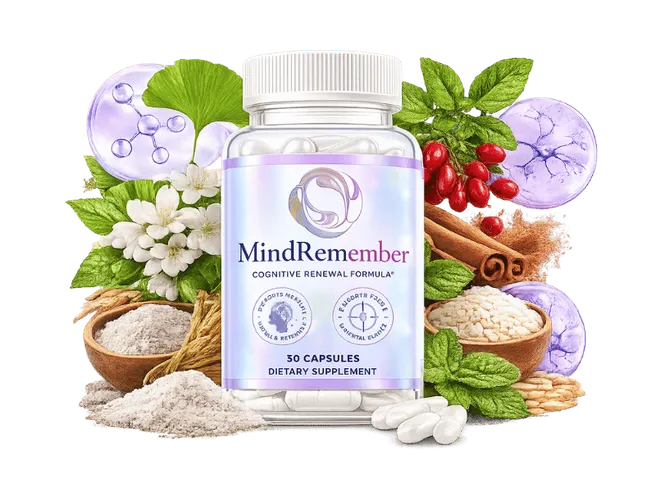
Which vitamins actually help memory?
The vitamins for memory with the strongest evidence are B12, B6 and folate, which matter most when you are deficient, plus vitamin D and the omega-3 DHA, which support the aging brain. Their benefit is real but concentrated in people who start low. No vitamin prevents dementia in a healthy adult, so food and a blood test come first.
- B12, B6 and folate: essential for nerve and brain function, most impactful when levels are low.
- Vitamin D and omega-3 DHA: linked to healthier brain aging.
- Benefit is largest in deficiency — supplements are insurance, not a cure.
Every month, tens of thousands of people search for vitamins for memory — roughly 6,600 searches for that exact phrase and another 5,400 for "vitamins for brain function." It is one of the most common health questions there is, and it deserves a straight answer rather than a supplement pitch. The honest version is this: a handful of vitamins genuinely support memory and brain health, their effect is largest in people who are running low, and no pill on any shelf makes a well-nourished brain remember more than it already does. This guide separates the vitamins that carry real weight from the ones riding the hype, then shows where a full cognitive formula fits.
We publish this as an independent label-research team behind MindRemember, and we would rather you understand the evidence than buy on impulse. So we will name what works, be clear about the limits, and only then explain how a targeted formula compares to a bottle of single vitamins.
The vitamins for memory that actually earn their place
Start with the group that has the clearest cognitive role: the B vitamins. B12, B6 and folate are directly involved in nerve function and in keeping homocysteine — an amino acid tied to poorer cognitive aging when it runs high — in a healthy range. When someone is genuinely low in these, especially B12, the effects on memory and clarity can be real and correcting the shortfall can help meaningfully. B12 deficiency is more common than people expect in older adults, in vegetarians and vegans, and in anyone on long-term acid-reducing medication, because absorption drops with age and with reduced stomach acid.
Then there is vitamin D. Its role in mood and cognitive aging is an active area of research, and low vitamin D status is widespread in places with limited sun. It is not a memory booster in the marketing sense, but keeping levels adequate is sensible general brain-health hygiene. Deficiency here is quiet and common, which is exactly why a quick test beats guessing.
It is worth naming what these nutrients have in common, because it explains the whole logic of vitamins for memory. Each one is essential machinery: the brain cannot run its normal chemistry without them. But essential is not the same as enhancing. Once the machinery has what it needs, adding surplus does not make it run faster — it simply passes through or, for the fat-soluble ones, banks up. That single idea — that these vitamins are requirements rather than accelerators — is the difference between using them wisely and wasting money on them.
Finally, the one that is technically a fatty acid rather than a vitamin but always comes up in the same breath: omega-3 DHA. DHA is a structural building block of brain-cell membranes, and adequate intake is associated with healthier brain aging. If you want the practical numbers, we break them down in our guide to Alpha Brain vs MindRemember: An Honest Comparison. Oily fish is the best food source; a supplement is the fallback when your diet rarely includes it.
The hype vitamins: where the story gets oversold
Marketing loves an antioxidant. Vitamins C and E get styled as brain protectors on the strength of laboratory antioxidant activity, but the human evidence that supplementing them improves memory in healthy, well-fed adults is weak. They are essential nutrients you should get enough of — from food, easily — not memory upgrades in a capsule.
The bigger myth is the promise hovering behind a lot of "brain vitamin" advertising: that a daily pill will hold off cognitive decline or dementia. It will not. Large trials of vitamin supplementation in healthy older adults have not shown that vitamins prevent dementia. That is a genuinely important sentence, and any honest page about vitamins for memory has to say it plainly. Vitamins correct deficiencies; they do not rewrite the aging of a brain that is already well nourished.
The value of a memory vitamin is almost entirely a function of how much you were missing before you took it. Fill a real gap and the effect can be meaningful; top up an already-full tank and there is little left to gain.
Food first: can you skip the supplement entirely?
For a lot of people, yes. Here is where the core memory nutrients live on your plate:
- B12 — meat, fish, eggs and dairy. The one most likely to need a supplement if you eat little or no animal food.
- Folate — leafy greens, legumes, and fortified grains.
- B6 — fish, poultry, chickpeas and starchy vegetables.
- Vitamin D — sunlight, oily fish and fortified foods; the hardest to get from diet alone in winter.
- DHA — salmon, sardines, mackerel and other oily fish.
A varied diet covers the essentials for most healthy adults. Supplements make sense mainly in three situations: your diet is genuinely limited, your absorption is reduced (age, certain medications, some gut conditions), or a blood test shows you are actually low. That last point is the one worth acting on — a simple test for B12 and vitamin D tells you far more than any label promise.
More than a memory vitamin
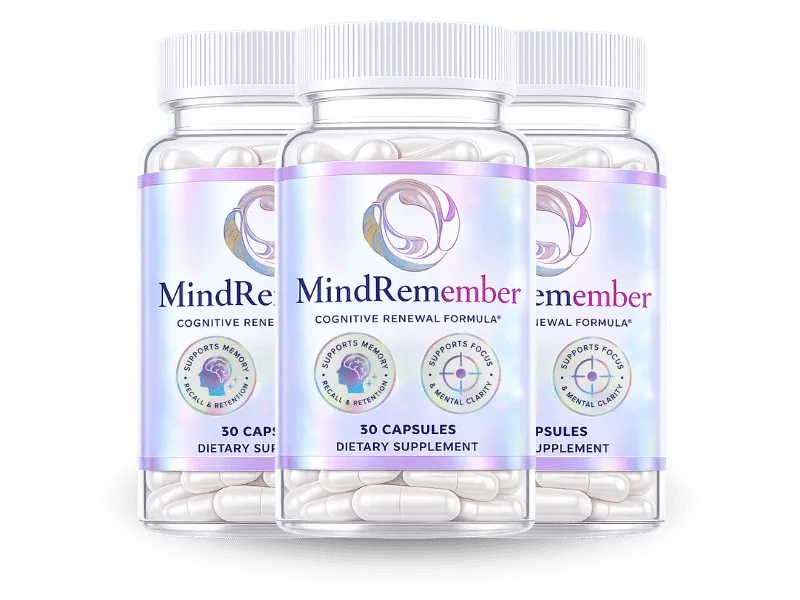
MindRemember pairs relevant nutrients with studied cognitive actives like citicoline and bacopa — each named at its dose, so you can see exactly what you are getting. Review the full formula and today's pricing.
See the MindRemember formulaVitamins alone vs a full cognitive formula
Here is the honest limit of vitamins for memory: they keep the basic machinery running, but they are foundation, not architecture. If your B12, folate, vitamin D and DHA are already in good shape, adding more of them is unlikely to sharpen recall further. That is exactly the point where the conversation shifts from vitamins to nootropic actives — ingredients studied specifically for cognition rather than for filling a nutritional gap.
That is the design idea behind MindRemember. Rather than a bottle of one vitamin, it combines supporting nutrients with cognitive actives at their researched doses, including citicoline at a memory-relevant dosage and bacopa, which has been studied for recall over multi-week use. The value is not in any single ingredient shouting the loudest; it is in a full formula where every amount is disclosed, so you can compare it against the research instead of against a marketing claim.
None of that means you should skip the basics. If you have a known deficiency, correct it — that is the highest-value move on this whole page. A cognitive formula is what you reach for once the foundation is in place and you want targeted support on top.
Three objections worth answering
"So brain vitamins are a scam?" No — but they are mis-sold. The nutrients are real and important; the exaggeration is the promise that they boost a healthy brain or prevent decline. Bought for the right reason (correcting a shortfall), they are worthwhile. Bought as a memory upgrade for a well-nourished adult, they underdeliver.
"Isn't more always safer with vitamins?" Not necessarily. Some vitamins are fat-soluble and accumulate, and megadoses of certain B vitamins can cause problems of their own. This is one reason a formula with published, sensible amounts beats a stack of random high-dose single vitamins. If safety is on your mind, our guide to nootropic side effects and safety covers doses and interactions in detail.
"Should I just take a multivitamin?" A multivitamin is fine broad insurance at low doses. It is not designed for focused cognitive support, and it will not contain nootropic actives like citicoline or bacopa at studied amounts. Different tool, different job — which is the exact distinction the FAQ below unpacks.
How to choose, in three steps
Test before you top up
Check B12 and vitamin D if you can. Correcting a real deficiency is where vitamins for memory actually deliver — guessing is where money gets wasted.
Eat the foundation first
Cover B12, folate, B6, DHA and vitamin D from a varied diet. Supplements fill gaps; they do not replace food.
Match the tool to the goal
Want general insurance? A multivitamin. Want targeted cognitive support with disclosed doses? A full formula like MindRemember.
Put simply: the best vitamins for memory are the ones filling a gap you actually have, and the best cognitive support is a transparent formula you can check against the evidence. If you want to see how a full formula stacks up against the wider market, our roundup of the best brain supplements for memory in 2026 is a useful next read.
Get the full formula, not just a single vitamin
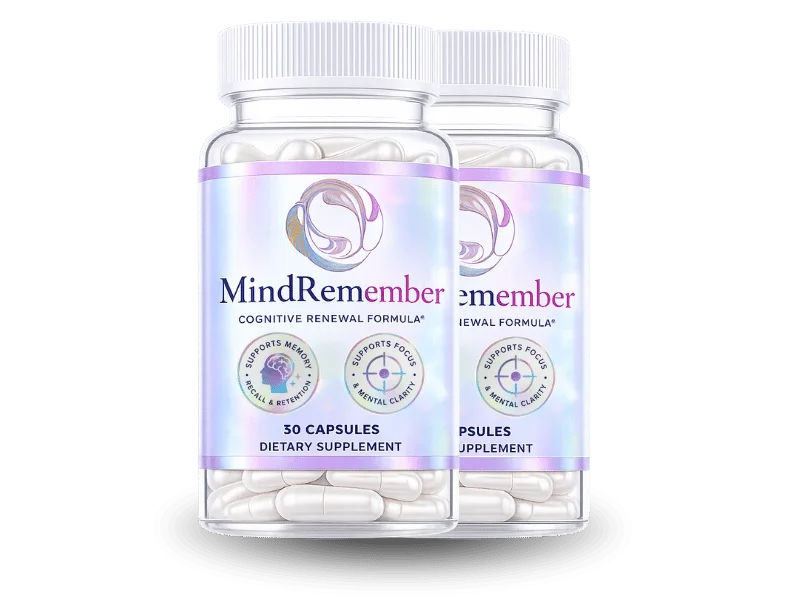
MindRemember combines relevant nutrients with studied cognitive actives at published doses. Every amount named, nothing hidden. Compare the formula and see current pricing.
Order MindRememberRelated reading
Frequently asked questions
Which vitamins are best for memory?
The vitamins with the clearest cognitive role are the B vitamins B12, B6 and folate, which matter most when you are running low, plus vitamin D and the omega-3 fatty acid DHA, which support the aging brain. None of them is a magic memory pill; their benefit is concentrated in people who start with a deficiency or a genuinely low intake.
Do brain vitamins work if I'm not deficient?
Mostly not for memory. The strongest evidence for B vitamins, vitamin D and similar nutrients is in correcting a shortfall. If your blood levels are already healthy, topping up further rarely improves memory in an otherwise healthy adult, and no vitamin has been shown to prevent dementia in healthy people. This is why a blood test and a food-first approach come before any supplement.
Can I get memory vitamins from food instead?
For most people, yes. B12 comes from meat, fish, eggs and dairy; folate from leafy greens and legumes; B6 from fish, poultry and starchy vegetables; DHA from oily fish; and vitamin D from sunlight and fortified foods. A varied diet covers the essentials. Supplements make sense mainly when diet is limited, absorption is reduced, or a test shows a deficiency.
Should I take a memory supplement or a multivitamin?
They do different jobs. A multivitamin insures against broad nutrient gaps at low doses. A dedicated formula like MindRemember targets cognition specifically, combining relevant vitamins with studied nootropic actives such as citicoline and bacopa at their researched amounts. If your goal is general nutritional insurance, a multivitamin fits; if it is focused cognitive support, a targeted formula is the closer match.