Alpha Brain vs MindRemember: An Honest Comparison
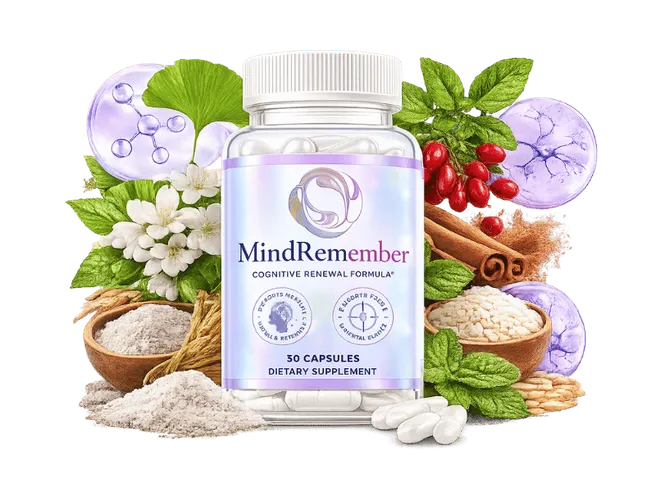
What is the difference between Alpha Brain and MindRemember?
The main difference is dose transparency. Alpha Brain places several actives inside proprietary blends, so you see the blend total but not each ingredient's amount. MindRemember names every active at its individual dose, so you can check each against the research. Both are caffeine-free daily formulas; they differ most on disclosure and how you judge value.
- Alpha Brain: established, caffeine-free, but uses proprietary blends that hide per-ingredient doses.
- MindRemember: every active named at its published dose for direct comparison to studied amounts.
- Compare on transparency, caffeine-free status and cost per serving — not marketing alone.
If you have researched nootropics at all, you have met Alpha Brain. It is one of the most recognised names in the category, with something in the order of 27,100 searches a month and years of podcast-driven awareness behind it. It is also, by the numbers, a product whose demand has been gradually declining — which makes right now a fair moment to ask the practical buyer's question: how does Alpha Brain actually compare to a fully-disclosed alternative like MindRemember? This page answers that honestly, on the things you can verify: ingredient transparency, disclosed doses, caffeine-free status and cost per serving. No mud-slinging, and no claims we cannot support.
We should be upfront: we publish MindRemember and we earn a commission if you buy through our links. That is exactly why we are keeping this to facts you can check for yourself rather than asking you to take our word for which formula "wins."
Where Alpha Brain earns its reputation
Credit where it is due. Alpha Brain is caffeine-free, which is a genuine plus — it means you can take it without stacking stimulants or wrecking your sleep, and it is honest about that. Its ingredient list features names with real research interest behind them: bacopa, alpha-GPC, huperzine A and L-theanine among them. It has a long track record, a large user base, and a brand people trust enough to repurchase. For a lot of buyers that familiarity is worth something real, and it would be dishonest to pretend otherwise.
The caffeine-free point deserves a moment of its own, because both products share it and it is genuinely worth valuing. A caffeine-free daily formula will not interfere with your afternoon coffee, will not build the tolerance a stimulant does, and can be taken later in the day without sabotaging sleep. If you already get your caffeine from coffee or tea, a stimulant-free cognitive formula is usually the smarter base to build on. On this one, Alpha Brain and MindRemember are on equal footing.
So this is not a story about a bad product. It is a story about one specific, verifiable limitation — and whether that limitation matters to you.
The proprietary blend problem
Here is the crux of the Alpha Brain vs MindRemember comparison. Alpha Brain groups several of its actives into proprietary blends. A proprietary blend lists the ingredients and the combined weight of the group, but not the individual dose of each ingredient inside it. So you can read that a blend contains bacopa, alpha-GPC and other actives totalling a certain number of milligrams — but not how much bacopa, or how much alpha-GPC, you are actually getting.
Why does that matter? Because in nootropics, dose is the whole game. Bacopa has been studied at specific daily amounts over multi-week periods; alpha-GPC and citicoline have researched dose ranges; huperzine A is active in microgram amounts and its dosing deserves particular care. If you cannot see the individual amount, you cannot tell whether an active is present at a researched dose or at a token sprinkle. We have written before about how easy it is to make a label look impressive with a trivial amount of a good ingredient — see our breakdown of why alpha-GPC at 5 mg is label decoration, not a real dose. A proprietary blend makes that impossible to rule out.
Huperzine A is the sharpest example of why the hidden number matters. It is potent in microgram quantities and is the kind of ingredient many users prefer to cycle rather than take continuously, precisely because of how it works. When it sits inside a blend with no individual figure, you cannot see how much you are taking each day — which is the one thing you would most want to know for an ingredient this active. That is not a criticism unique to any single brand; it is the structural cost of the proprietary-blend format. The moment a dose is disclosed, you can make an informed choice about it. Until then, you are trusting rather than checking.
A named ingredient tells you what is in the bottle. A named dose tells you whether it can do anything. Proprietary blends give you the first and withhold the second.

Side by side, on what you can verify
Here is the fair comparison, limited to things that can actually be checked from a label and a store page:
| Factor | Alpha Brain | MindRemember |
|---|---|---|
| Per-ingredient doses | Partly hidden in proprietary blends | Every active named at its individual dose |
| Caffeine-free | Yes | Yes |
| Ingredient style | Established blend, huperzine A included | Studied actives at disclosed amounts |
| Verify against research | Limited — blend totals only | Direct — dose-by-dose |
| Cost per serving | Check current official price | Check current official price |
| Market trend | High awareness, declining demand | Newer, transparency-first positioning |
Notice what this table does not claim: it does not say MindRemember "works better" or produces bigger results, because that is not something a label can prove and we will not pretend it can. What it does show is a real, checkable difference in how much information each product gives you before you spend money. On the factors you can verify, MindRemember's advantage is disclosure — and disclosure is what lets you make every other judgement.
See the doses, not just the names
MindRemember lists every active at its individual amount, so you can compare it to the research yourself — no blend to squint at. Review the full formula and today's official-store pricing.
See the MindRemember formulaCost per serving: how to compare fairly
Price is where "vs" pages usually cheat, quoting a headline number that ignores serving size. Do it properly. Take each product's current official-store price, divide by the number of servings in the container, and compare the cost per day. Then — and this is the part most comparisons skip — weigh that against what you can verify. A slightly lower cost per serving is less appealing if you cannot see how much of each active you are buying, and a transparent formula that lets you confirm researched doses may justify a similar or even higher price. Value is price divided by certainty, not price alone.
Because prices change and promotions come and go, we are deliberately not quoting figures here. Check both official stores on the day you buy. For MindRemember specifically, our guide on where to buy MindRemember and how to spot the official store helps you avoid third-party markups.
Three objections, answered fairly
"Alpha Brain has way more reviews — doesn't that settle it?" Popularity is real and worth something, but it measures awareness and marketing reach, not dose adequacy. A product can be widely bought and still keep its individual amounts hidden. Reviews tell you people liked the experience; they do not tell you what was in each capsule. Both facts can be true at once.
"Isn't a proprietary blend just protecting a recipe?" That is the standard defence, and occasionally there is a formulation reason. But the practical effect on you, the buyer, is identical either way: you cannot see the doses, so you cannot verify value. Trade-secret protection and consumer transparency point in opposite directions, and this comparison simply favours the side that shows its numbers.
"If Alpha Brain is declining, is it obsolete?" No. Declining demand is not the same as a bad product, and plenty of people will happily keep using it. We flag the trend only because it means fewer buyers are locked in by habit — which makes it a sensible moment to compare options on the merits rather than on brand momentum. If you want the wider field, our roundup of the best brain supplements for memory in 2026 puts both in context, and our Neuriva review of whether it works covers another mainstream name.
How to decide between them
Decide how much disclosure matters
If seeing every per-ingredient dose is important to you, that single factor points clearly toward the fully-labelled option.
Compare cost per serving, not headline price
Divide each official price by servings, then weigh it against what you can actually verify on the label.
Buy from the official store
For either product, use the manufacturer's own store to avoid third-party markups and get current pricing and guarantees.
The fair conclusion of this Alpha Brain vs MindRemember comparison is not that one brand is universally better. It is that they answer the buyer's most important question differently. Alpha Brain asks you to trust the blend; MindRemember shows you the numbers and lets you check them against the research. If that transparency is what you have been looking for, the next step is simply to read the formula for yourself.
Choose the formula that shows its doses
MindRemember is caffeine-free and names every active at its published amount — no proprietary blend to hide behind. Compare the full formula and see current pricing.
Order MindRememberRelated reading
Frequently asked questions
Is Alpha Brain worth it in 2026?
Alpha Brain remains a well-known, caffeine-free nootropic with a long track record, and plenty of people like it. Whether it is worth it depends on how much you value seeing exact per-ingredient doses, because its proprietary blends do not disclose the amount of each active. If full dose transparency matters to you, that is the main thing to weigh, and interest in the product has been declining rather than growing.
What is the difference between Alpha Brain and MindRemember?
The core difference is disclosure. Alpha Brain groups several of its actives into proprietary blends, so you see the blend total but not each ingredient's dose. MindRemember names every active at its individual amount so you can compare each against the doses used in research. Both are positioned as caffeine-free daily formulas; they differ most on transparency and on how you judge value.
Does Alpha Brain disclose its ingredient doses?
Not fully. Alpha Brain lists its ingredients but places several of them inside proprietary blends, which means the exact milligram amount of each active within those blends is not published. You can see what is in it and the combined blend weight, but not how much of each individual ingredient you are getting.
Which is better value, Alpha Brain or MindRemember?
Value depends on price per serving and on whether you can verify what you are paying for. Because MindRemember publishes each dose, you can judge whether the amounts match the research before you buy; with a proprietary blend you are partly trusting the label. Compare current cost per serving on both official stores and factor disclosure into the decision rather than looking at price alone.