Neuriva 2026: Does It Really Work?
Does Neuriva really work?
Neuriva pairs a coffee-cherry extract with phosphatidylserine, and both have published human data. But the evidence for the finished product at its label doses is modest, and results tend to be subtle and gradual rather than dramatic. It may help some people a little; it is not a memory miracle.
- Two headline actives: Neurofactor coffee-cherry extract and phosphatidylserine.
- The strongest phosphatidylserine trials used far more per day than a single convenience capsule delivers.
- Judge any brain supplement on published doses and cost per serving, not the box.

Search interest in Neuriva is enormous — tens of thousands of people look it up every month — which tells you the marketing works and the curiosity is real. It also tells you something else: a lot of those shoppers are asking the same question you are, which is whether Neuriva really does anything, or whether the confident television advertising is doing the heavy lifting. This review answers that honestly. We do not sell Neuriva, we are not affiliated with it, and we have no reason to either inflate it or trash it. What we care about is whether the ingredients inside are present at amounts the research would recognise, because that is the only thing that separates a working memory supplement from an expensive habit.
We will walk through what Neuriva is, what its two active ingredients actually do, what the human evidence shows at the doses on the label, the side effects worth knowing, and where a more transparent alternative fits if you decide the numbers do not add up. No hype, no disparagement — just the label read carefully.
What is Neuriva and what does it claim?
Neuriva is a line of over-the-counter brain-health supplements sold widely in pharmacies and supermarkets. The range has grown over the years into several variants — Original, Plus, De-Stress, gummies and so on — but the identity of the brand rests on two ingredients it markets heavily: a whole coffee-fruit (coffee-cherry) extract it brands as Neurofactor, and phosphatidylserine, a phospholipid found in the membranes of brain cells. The marketing language leans on words like “focus,” “memory,” “learning,” “accuracy” and “concentration,” and it is careful — as it has to be — to talk about supporting normal brain performance rather than treating any condition.
That framing matters. A dietary supplement in the United States is not permitted to claim it diagnoses, treats, cures or prevents disease, and Neuriva stays inside those lines. So the honest question is never “does Neuriva cure memory loss” — nothing sold on a supermarket shelf may claim that — but the narrower, fairer question: at the amounts in the capsule, is there credible human evidence that it nudges everyday memory and focus in the right direction? To answer that, you have to look past the box and read the Supplement Facts panel.
Neuriva's active ingredients and doses, examined
Start with Neurofactor, the branded whole coffee-cherry extract. Coffee fruit is the pulp around the coffee bean, and it is studied largely for a single mechanism: a small human trial reported that a dose of the extract raised blood levels of a signalling protein called BDNF (brain-derived neurotrophic factor), which is involved in the health and plasticity of neurons. That is a genuinely interesting finding, and it is the entire scientific spine of the coffee-cherry story. But it is also a single, small, manufacturer-associated study measuring a blood biomarker — not a large independent trial showing that people remember more, concentrate longer, or perform better on cognitive tests over months. A biomarker moving is a promising signal, not proof of a real-world benefit.
Now the second active, phosphatidylserine, which is where dosing gets important. Phosphatidylserine has the better evidence base of the two, particularly in older adults with age-related memory complaints. The catch is the amount. The trials that reported benefits generally used around 100 mg taken three times a day — roughly 300 mg daily — whereas a once-daily convenience capsule usually carries a fraction of that. This is the single most important line in any Neuriva review: an ingredient with real evidence can still underperform if it is present below the dose the research used. We unpack this compound in depth in our guide to phosphatidylserine at a dose the research would recognise, and it is the clearest example of why label milligrams beat brand names.
An ingredient with real evidence can still do very little if it is present below the amount the studies actually used. Dose is not a detail. It is the whole argument.
There is one more thing worth saying plainly: Neuriva Original is generally caffeine-free, despite the coffee-fruit connection, because the extract is standardised for its polyphenols rather than caffeine. So the “lift” some people expect from anything coffee-related is not the mechanism on offer. If you want a stimulant effect, this is not it; if you specifically want to avoid caffeine, that is a genuine point in its favour.

Does Neuriva actually work? What the evidence says
Here is the balanced verdict. Both of Neuriva's actives have some published human data, which already puts it ahead of the many brain supplements built entirely on test-tube studies and wishful thinking. Phosphatidylserine in particular has cleared a regulatory bar in the United States that most nootropic botanicals cannot — a carefully hedged qualified health claim — and that is not nothing. But “some evidence for the ingredients” is not the same as “strong evidence for this product at these doses.” There is no large, independent, long-run trial demonstrating that the finished Neuriva formula meaningfully improves memory in typical adults. What exists is a biomarker study for the coffee cherry and a broader literature on phosphatidylserine at higher intakes than a single daily capsule delivers.
That is why user experience is so mixed. Read enough reviews and a pattern emerges: a subset of people feel a mild, gradual improvement in focus or word recall after several weeks; a larger group notices little or nothing and quietly stops. That distribution is exactly what you would predict from ingredients that are plausible but under-dosed, taken by people expecting an obvious switch to flip. Brain support of this kind, when it works at all, is cumulative and subtle — a point we cover in our piece on choosing the best brain supplements for memory in 2026. If you were expecting caffeine-like clarity within an hour, no memory supplement in this category delivers that, and disappointment is baked in from the start.
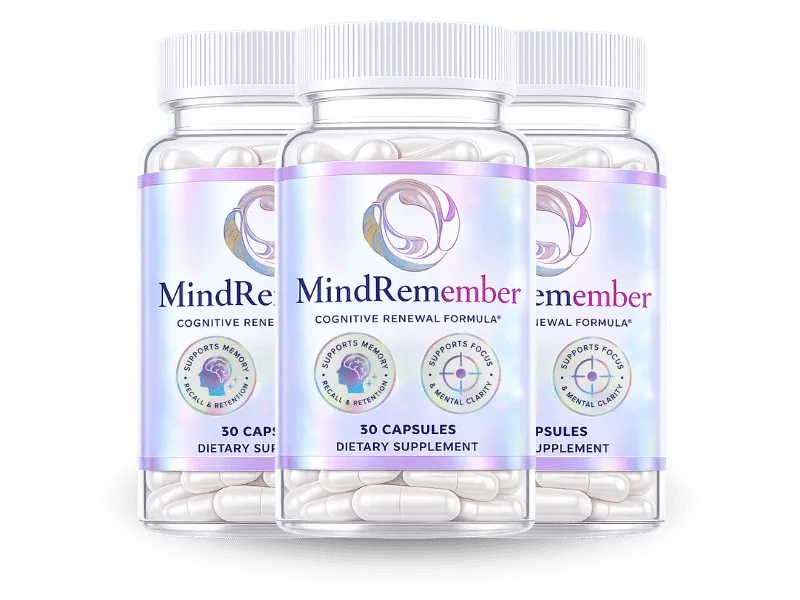
Compare the labels before you commit
See every MindRemember active at its published milligram dose next to the trial doses — and today's cost per serving — on one page.
See the Full Dose TableObjections and myths worth clearing up
“It is clinically proven, it says so on the box.” Be precise about what is proven. The coffee-cherry biomarker study and the phosphatidylserine literature are real, but “clinically shown to support” a biomarker or a broad ingredient category is a much weaker claim than “this pill improves your memory.” Marketing legally rides on the former while shoppers hear the latter. Reading the difference is the whole skill of buying supplements well.
“The trend is declining, so it must not work.” Not quite. Search interest in Neuriva has been drifting down, but declining popularity usually reflects marketing cycles and shopper churn — people trying it, feeling underwhelmed by an under-dosed formula, and moving on — more than it reflects a definitive scientific verdict. It is a signal that buyers are looking around, which is exactly why comparing transparent alternatives is sensible right now.
“A famous brand must be the strongest formula.” Brand recognition measures advertising budget, not milligrams. Some of the most transparent memory formulas are ones you have never seen on television, precisely because their money went into the capsule rather than the commercial. Judge on the panel, not the profile.
Neuriva side effects and safety
On tolerability, Neuriva earns reasonable marks. It is generally well tolerated, and the reported issues are mild and uncommon — occasional stomach upset, a headache, or difficulty sleeping if taken too late in the day. Because it is typically caffeine-free, the jittery side effects people associate with stimulant “focus” products are largely absent. Phosphatidylserine at higher doses has been associated with mild digestive upset and, rarely, insomnia when taken late, but at the modest amounts in a convenience capsule even those are unlikely.
The usual caveats apply and they are not boilerplate. Formulas and variants change, so always read the current label; and anyone who is pregnant, nursing, taking prescription medication, or managing a health condition should talk to a clinician before starting any brain supplement. Supplements are not a substitute for sleep, exercise, blood-pressure control and the other unglamorous things that actually protect memory over a lifetime.
A transparent alternative to Neuriva: where MindRemember fits
If your takeaway from this Neuriva review is that the concept is reasonable but you want to see the numbers, that is exactly the right instinct — and it is the standard we would apply to any product, including the one we publish about. MindRemember is a once-daily cognitive-support capsule that lists seven named actives at published doses, phosphatidylserine among them, so you can do the one thing that actually protects you as a buyer: compare each ingredient against the dose used in research, line by line. It is not marketed as a miracle, and we flag its trade-offs openly on our own pages — including a St John's wort interaction that matters for anyone on medication.
The point is not that any single brand wins. The point is the method. A formula that prints every milligram lets you check the phosphatidylserine amount against that 300 mg-a-day research target, weigh the cost per serving, and decide with open eyes — instead of trusting a box. That is the comparison we would make with Neuriva, with MindRemember, and with anything else on the shelf. If you would rather start from a label that shows its work, the MindRemember dose table lays out all seven actives against their trial doses so you can judge for yourself.
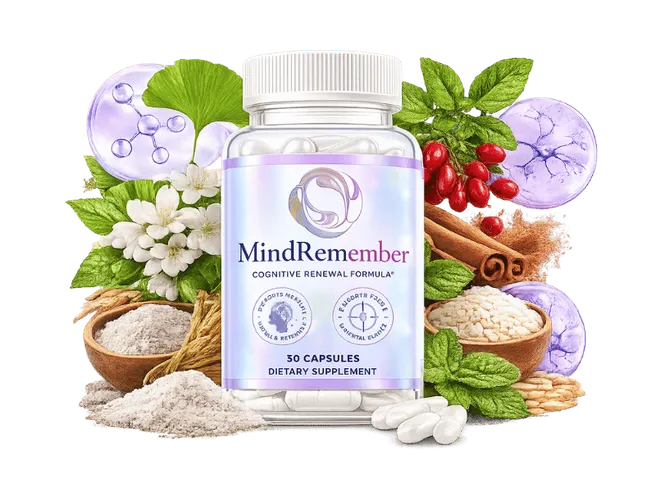
See every dose in black and white
Seven named actives, each published milligram against the trial dose, the interaction note in full, and today's official-store price — all on one page.
Order NowFrequently asked questions
Does Neuriva actually work for memory?
Neuriva's two headline actives have some published human data behind them, but the clinical support for the finished product at its label doses is limited rather than conclusive. Most users report a subtle, gradual difference at best, and the honest position is that it may help some people modestly while doing little for others.
What are Neuriva's active ingredients and doses?
The core actives are a whole coffee-cherry extract branded Neurofactor and phosphatidylserine. The phosphatidylserine research base uses roughly 100 mg taken three times a day in the strongest trials, so the single daily amount in a convenience capsule is usually well below that studied intake. Always read the current Supplement Facts panel for exact milligrams.
Are there side effects to taking Neuriva?
Neuriva is generally well tolerated. Reported issues are mild and uncommon: occasional stomach upset, headache, or trouble sleeping if taken late in the day. Because formulas and versions change, check the label, and anyone pregnant, nursing, or taking medication should speak to a clinician before starting.
What is a good alternative to Neuriva?
A good alternative is any formula that prints every active and its exact milligram amount so you can check it against the doses used in research, and that competes on cost per serving. MindRemember is one such option: it lists seven named actives at published doses, including phosphatidylserine, so you can compare labels line by line before you buy.