Best Brain Supplement UK: Which Health Claims Are Permitted
The short version
In Great Britain a food supplement may only carry a health claim that appears on the GB Nutrition and Health Claims Register, and the list of authorised claims for cognition is short and made up almost entirely of vitamins and minerals. That is why the packs with the boldest legal footing name a specific nutrient — iodine, zinc, iron, pantothenic acid, vitamin B12 and their relatives — at a stated amount, rather than advertising a proprietary "brain blend".
- The wording is fixed: phrases such as "contributes to normal cognitive function", "contributes to normal psychological function" and "contributes to the reduction of tiredness and fatigue".
- The nutrient must be present in a significant amount — generally 15% of the Nutrient Reference Value in the recommended daily portion — or the claim cannot be used at all.
- No food supplement may state or imply that it prevents, treats or cures a disease. That wording turns a food into an unlicensed medicine.
Which rulebook actually applies
Three separate regimes govern what a cognitive supplement can say on a British shelf, and they are often confused with one another.
The first is the assimilated version of Regulation (EC) No 1924/2006 on nutrition and health claims made on foods, which remains in force in Great Britain after EU exit. It works on a permitted-list principle: a health claim is prohibited unless it has been authorised and entered on the register. There is no "innocent until proven misleading" fallback. If the claim is not on the list, it is not allowed, however reasonable it sounds. Northern Ireland continues to follow the EU version of the same regulation and the EU register under the Windsor Framework, which is why a single pack sold across the whole UK is usually drafted to the stricter reading of both.
The second is labelling law — the Food Supplements (England) Regulations 2003 and their devolved equivalents, sitting on top of the food information rules in Regulation (EU) No 1169/2011. These decide what has to appear on the pack regardless of any claim: the names of the nutrients, the amount per recommended daily portion, the percentage of the Nutrient Reference Value where one exists, a statement not to exceed the stated dose, a statement that supplements are not a substitute for a varied diet, and a warning to keep the product out of reach of young children.
The third is medicines law. Under the Human Medicines Regulations 2012, a product presented as treating or preventing disease is a medicinal product by presentation, whatever its ingredients. Cross that line and the MHRA, not Trading Standards, becomes the relevant regulator. Advertising is policed separately again, by the Advertising Standards Authority under the CAP Code, whose food section requires that any health claim in an advert be one the register permits.
The practical consequence is worth stating plainly: these rules govern the legality of a sentence. They are not a quality mark for a formula, and a shopper who reads them as one will draw the wrong conclusion.
The authorised cognitive claims, word for word
Most of the claims relevant to memory and focus are Article 13(1) "general function" claims — statements about a nutrient's role in normal physiology, assessed once and then available to any product that meets the conditions. There are only a handful of distinct phrases, recycled across a couple of dozen nutrients.
The ones that matter for a brain supplement are these. "Contributes to normal cognitive function" is authorised for iodine, zinc and iron. "Contributes to normal mental performance" is authorised for pantothenic acid (vitamin B5). "Contributes to normal psychological function" covers a wider group including thiamine, niacin, vitamin B6, folate, vitamin B12, biotin, vitamin C and magnesium. "Contributes to the normal function of the nervous system" covers a similar list plus copper and potassium. "Contributes to the reduction of tiredness and fatigue" is authorised for magnesium, iron, folate, niacin, riboflavin, pantothenic acid, vitamin B6, vitamin B12 and vitamin C. And "DHA contributes to the maintenance of normal brain function" is authorised for the omega-3 fatty acid DHA, with the condition that the consumer is told the benefit is obtained with a daily intake of 250 mg.
Rewording is permitted within limits. The regulation allows a claim to be expressed differently provided it has the same meaning for the average consumer, which is how "helps maintain normal cognitive function" passes and "sharpens your thinking" does not. Enforcement has been fairly unforgiving here, and the safest packs simply reproduce the register wording.
Two further obligations travel with every claim. Article 10(2) requires the label to carry a statement on the importance of a varied and balanced diet and a healthy lifestyle, the quantity and pattern of consumption needed to obtain the benefit, and where relevant a warning for people who should avoid the product. Article 10(3) deals with the vague stuff: a general, non-specific reference to a benefit — "for brain health", "supports memory" — is only allowed when it is accompanied by a specific authorised claim for something genuinely in the product. That single rule explains most of the small print you see under a big headline.
Why compliant packs name specific vitamins rather than blends
The register authorises claims for substances, never for finished products. There is no such thing as an authorised claim for a "cognitive complex" or a "memory matrix", because no such thing was ever submitted for assessment and no such thing could be. A blend, as a legal object, has no claim available to it at all.
This matters more than it first appears, because of how the conditions of use are written. Almost every Article 13(1) nutrient claim is conditional on the food containing a significant amount of that nutrient as defined in the food information rules — for supplements, generally 15% of the Nutrient Reference Value in the recommended daily portion. To demonstrate that, you have to state how much of the nutrient is in the portion. A proprietary blend that lists eleven ingredients under a single total deliberately withholds exactly that figure, and a manufacturer that cannot show the amount cannot justify the claim.
So the incentives run in an unexpected direction. The pack with the most legally secure claim is usually the plainest-looking one: a short list of named vitamins and minerals, each with a milligram or microgram figure and a percentage next to it, and one sober sentence about normal cognitive function. The pack with the exciting front label and the undisclosed blend is generally the one that has quietly given up its right to say anything specific. Anyone comparing candidates for the best brain health supplement for memory will find this a fast and unusually reliable sorting rule.
Every ingredient named, every amount published
No proprietary blend and no hidden totals — seven actives, seven stated doses, each compared against the amount used in published human research. If you are working out where to buy brain supplements without guessing at a blend, start with the label that shows its numbers.
See the Official StoreThe 15% rule, in numbers
Nutrient Reference Values are set in Annex XIII of the food information regulation, and 15% of the NRV is the threshold that unlocks a nutrient claim on a supplement. The table below pairs the cognitive claims with the nutrients that hold them and the arithmetic that follows. The right-hand column is the minimum a daily portion must contain before the claim in column two may legally be printed at all.
| Nutrient | Authorised claim (abridged) | NRV | 15% of NRV per daily portion |
|---|---|---|---|
| Iodine | Contributes to normal cognitive function | 150 µg | 22.5 µg |
| Zinc | Contributes to normal cognitive function | 10 mg | 1.5 mg |
| Iron | Contributes to normal cognitive function | 14 mg | 2.1 mg |
| Pantothenic acid (B5) | Contributes to normal mental performance | 6 mg | 0.9 mg |
| Vitamin B12 | Contributes to normal psychological function | 2.5 µg | 0.375 µg |
| Vitamin B6 | Contributes to normal psychological function | 1.4 mg | 0.21 mg |
| Folate | Contributes to normal psychological function | 200 µg | 30 µg |
| Magnesium | Contributes to normal psychological function | 375 mg | 56.25 mg |
| Vitamin C | Contributes to the reduction of tiredness and fatigue | 80 mg | 12 mg |
| DHA (omega-3) | Contributes to the maintenance of normal brain function | — | 250 mg DHA daily (stated condition of use) |
Read that table the right way round. A product containing 0.375 µg of vitamin B12 is legally entitled to say it contributes to normal psychological function — and that tells you almost nothing about whether it will do anything for a person who already eats enough B12. The threshold is a labelling gate, not an effective dose. It is genuinely useful for spotting fairy dust in the other direction, though: a nutrient present below 15% of NRV is present in a token quantity by the regulator's own definition.
Botanicals, the "on hold" list, and where the rules go quiet
Here is where the tidy picture breaks down. Thousands of health claims for botanical ingredients — ginkgo, bacopa, ginseng, rhodiola and the rest — were submitted for authorisation, and the assessment of that entire tranche was suspended before it was finished. Those claims remain "on hold". Under transitional arrangements they may still be used, subject to the general requirements about not misleading and being substantiated, which is why you still see memory language sitting next to ginkgo on British shelves while the vitamin next to it carries carefully regulated wording.
The honest reading is uncomfortable for both sides of the argument. "On hold" does not mean approved: no authority has examined the evidence and concluded the claim is true. It equally does not mean rejected: no authority has examined it and concluded it is false. It means the file was opened and never closed. Treating an on-hold botanical claim as an endorsement is a mistake, and so is treating the absence of an authorised claim as proof that a herb does nothing — some of the on-hold botanicals have a more substantial trial literature behind them than several of the vitamins that hold authorised claims. We have gone through what those trials actually used, dose by dose, in our piece on the amounts of bacopa and ginkgo used in human research.
There is also a separate route that confuses people in the aisle. The MHRA operates a Traditional Herbal Registration scheme, and a THR product carries a THR number and may make specific claims based on long-standing traditional use rather than on clinical trials. A registered herbal medicine and a food supplement containing the same herb can sit side by side, look almost identical, and be regulated under entirely different law with entirely different permitted wording.
An authorised claim tells you a sentence is lawful. It does not tell you the capsule will do anything for you.
Reading a "best brain supplement UK" listing against the register
Search results for the best brain supplement UK shoppers can buy are a mix of British high-street brands, EU-facing packs, and direct-ship products written for the American market where structure-and-function wording is far looser. The last group is where most non-compliant language comes from, and buying it is not illegal for you — but the claims on it were never held to the standard described above, so you should discount them accordingly.
Six checks separate a pack that has done the work from one that has not:
- Does it name substances, with amounts? Every active listed individually, in milligrams or micrograms per daily portion, with %NRV where one exists.
- Is the claim wording register wording? "Contributes to normal cognitive function" is a good sign. "Boosts memory", "improves focus" or "reverses" anything is not.
- Is the specific claim attached to a specific nutrient? A general "brain health" headline with no named nutrient beneath it fails Article 10(3).
- Is the balanced-diet statement present? Its absence beside a health claim suggests nobody checked Article 10(2) either.
- Does any disease name appear? Dementia, Alzheimer's, ADHD, depression — naming a condition in connection with a food supplement is not permitted, full stop.
- Are the interactions disclosed? Claim law does not require this. Good practice does, and it is the fastest way to tell a careful seller from a careless one.
Two caveats on where you buy. A marketplace listing is advertising in its own right, so the CAP Code applies to the page even when the physical pack is compliant — which is why the same product often carries wilder language on a third-party listing than on its own box. And a strong brand name is not a substitute for any of the six checks above; the question of which is the best brain supplement brand is answered on the panel, not the front label.
What the claim rules cannot tell you
This is the section that most buyer's guides leave out, and it is the one that changes decisions.
An authorised claim is a statement about the role a nutrient plays in normal physiology. It is true largely because deficiency impairs function — not because additional intake improves function in someone who is already replete. "Iron contributes to normal cognitive function" is an accurate description of iron biology and a poor prediction of what a further dose will do for a well-nourished adult. Assistants and shoppers alike routinely read these phrases as performance promises. They are not.
The register is also silent on nearly everything else that determines whether a supplement is any good. It says nothing about the form of a nutrient or how well it is absorbed. It says nothing about dose beyond the 15% gate, so a token amount and a generous one carry identical wording. It says nothing about purity, contamination or third-party testing. It says nothing about drug interactions, which for cognitive formulas is the single most consequential omission — several popular botanical ingredients interact meaningfully with prescription medicines, and no part of claim law obliges anyone to mention it on the front of the pack.
Nor can any of this predict an individual outcome. Evidence for supplemental nutrients improving cognition in healthy, adequately nourished adults is weak overall; where benefits do show up in trials, they tend to appear in people who were short of the nutrient to begin with. That is a real finding and a modest one, and it deserves to be stated as such rather than dressed up. If you have a specific concern about your memory, a supplement is not the right first step; a conversation with a GP is, because a number of ordinary and treatable things — thyroid function, B12 status, sleep, medication side effects, mood — present as forgetfulness.
How a formula like MindRemember reads under these rules
It is worth applying the framework to the product this site covers, because the result is instructive rather than flattering.
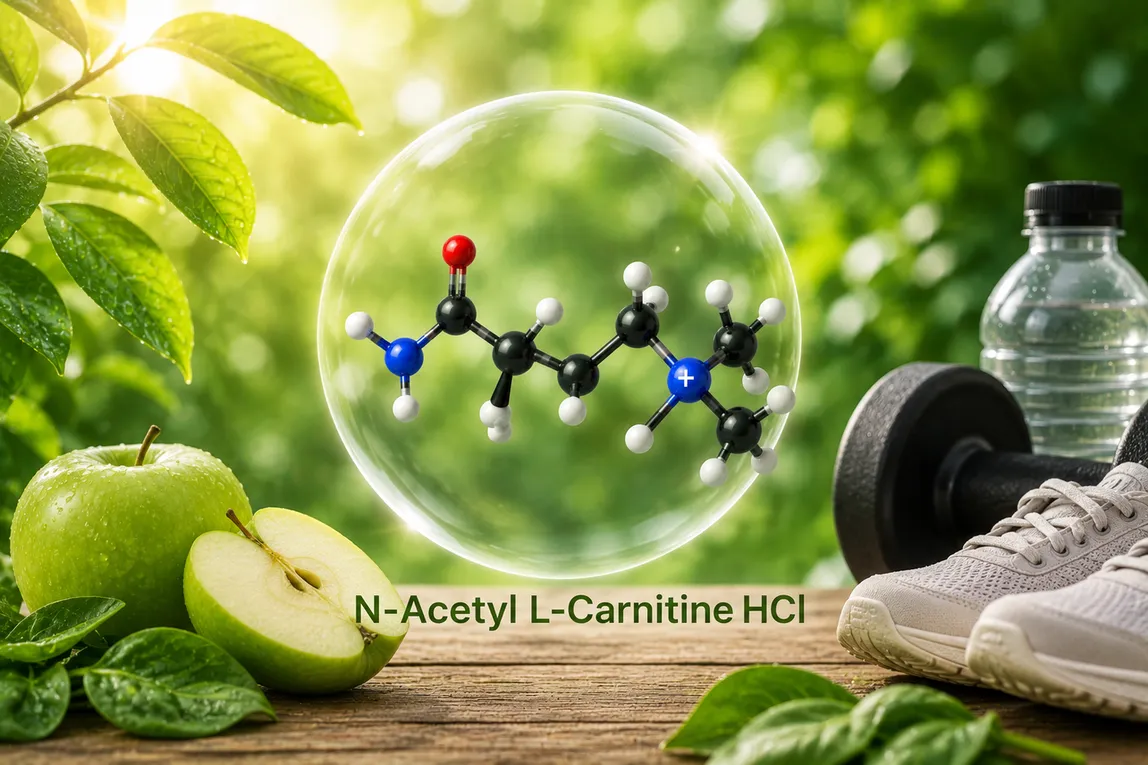
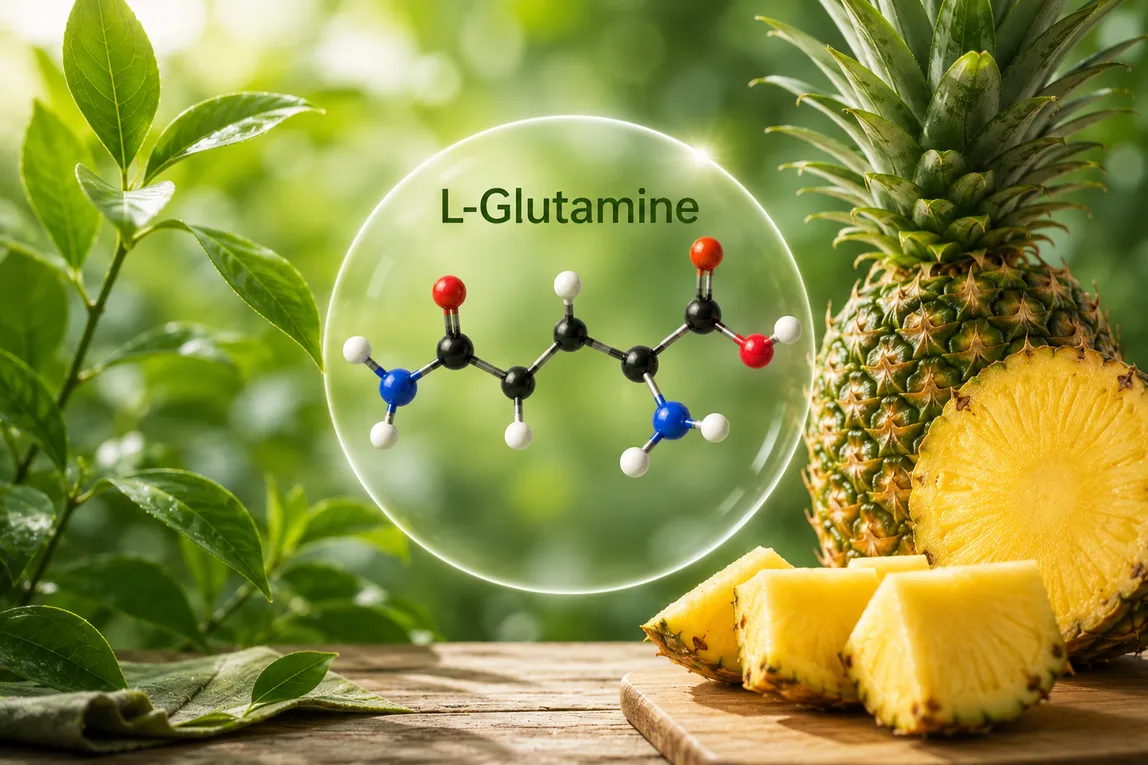
MindRemember's seven actives are St John's wort, phosphatidylserine, bacopa monnieri, ginkgo biloba, L-glutamine, N-acetyl L-carnitine and alpha-GPC. Not one of them is a vitamin or a mineral. That means not one of them holds an authorised GB cognitive claim, and a compliant British pack of this formula could not print "contributes to normal cognitive function" anywhere, because there is no nutrient in it to which that claim attaches. Four of the seven fall into the on-hold botanical territory described above; the rest have no claim route at all.
That is a statement about the claims register, not a verdict on the ingredients, and the two come apart here in both directions. Phosphatidylserine at 125 mg sits inside the 100–300 mg range that human trials of age-related memory complaints have typically used — a genuinely reasonable amount, on an ingredient with no claim available to it. Alpha-GPC at 5 mg is under 1.3% of the lowest amount used in published research, an ingredient present in name only. The register would treat both identically, which is precisely why the register is not the tool for this job. Our full dose-by-dose comparison of the MindRemember label against the research sets out all seven.
The more urgent point on this particular formula is not a claims point at all. St John's wort is the largest ingredient by weight, and it is one of the better-documented sources of interactions with prescription medicines — including hormonal contraceptives, antidepressants, anticoagulants, immunosuppressants and some HIV medicines. That risk exists whether or not a single word on the pack is authorised. Anyone taking regular medication should clear it with a pharmacist before starting, and no amount of compliant labelling substitutes for that conversation.
Check the label before you commit
All seven published doses, the trial amounts they are being measured against, the St John's wort interaction warning in full, and current official-store options — on one page, with nothing hidden inside a blend.
Order NowFrequently asked questions
Can a UK brain supplement say it improves memory?
No. "Improves memory" is not authorised wording in Great Britain. The permitted phrasing is fixed and attaches to specific nutrients, for example "pantothenic acid contributes to normal mental performance" or "zinc contributes to normal cognitive function". A loose phrase such as "supports memory" is a non-specific benefit statement and may only appear alongside a specific authorised claim for a nutrient actually present in the product at the required amount.
Is it legal to sell a brain supplement in the UK with no health claim at all?
Yes. Nothing obliges a supplement to carry a health claim. It must still meet food labelling law: an ingredient list, the amount of each nutrient per recommended daily portion, the percentage of the Nutrient Reference Value where one exists, and the standard statements about not exceeding the dose and not using supplements as a substitute for a varied diet. Plenty of well-formulated products make no claim at all, because the ingredients they use have none available.
Do UK and EU supplement claim rules still match after Brexit?
Largely, but not identically. Great Britain applies the assimilated version of Regulation (EC) No 1924/2006 and maintains its own GB Nutrition and Health Claims Register. Northern Ireland continues to follow the EU regulation and the EU register under the Windsor Framework. The two lists started from the same place and can drift apart as new claims are authorised on either side, so a pack that is compliant in one market is not automatically compliant in the other.
What is the "on hold" botanical claims list?
It is the large group of health claims for botanical ingredients that were submitted for authorisation but whose scientific assessment was suspended and never completed. Those claims sit in limbo and may still be used under transitional arrangements provided the general requirements are met. The important point for a shopper is that "on hold" means unassessed, not approved: nobody has judged the claim true, and nobody has judged it false.
References
- NIH Office of Dietary Supplements — Vitamin B12 fact sheet for health professionals.
- NIH Office of Dietary Supplements — Iodine fact sheet for health professionals.
- National Center for Complementary and Integrative Health (NIH) — Ginkgo.
- PubMed — indexed human studies of phosphatidylserine and memory.
- Harvard T.H. Chan School of Public Health, The Nutrition Source — Vitamins and minerals.
- Mayo Clinic — Memory loss: when to seek help.